CV vs Resume’
CVs and resumes are both professional documents that can get you interviews, but they’re not entirely the same. We’ll explain the differences between a CV and a resume so you can decide which one is best for your job application.
- A CV is a document that provides an overview of your academic career and professional history, including your publications, conferences, teaching experience, educational history, dissertations, and more.
- Short for curriculum vitae, which means “course of life” in Latin, an academic CV is used to apply for grad school, PhD programs, or positions in academia. Additionally, there’s no limit to how long a CV can be, and in some cases they can stretch more than 10 pages in length.
What you need is a Resume’
- Your must need for Job Bank Registration and job search in Canada
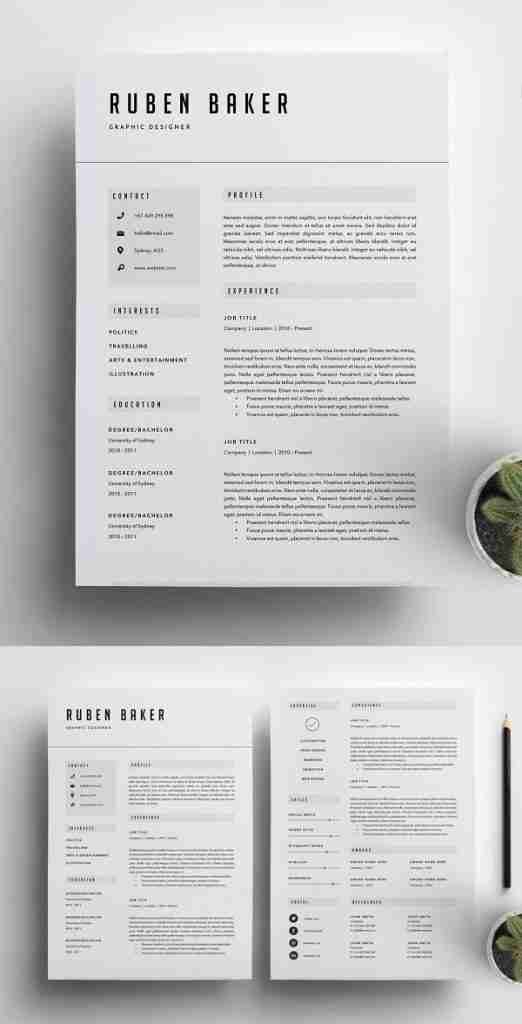
- A resume is a one- or two-page summary of your work experience, key skills, and job-related qualifications.
- Resumes are used to apply for most non-university jobs. The majority of job seekers everywhere would benefit from learning how to make a resume, they’d just need to call it a CV depending on where they lived.
- Resumes emphasize work experience and job skills, and place less weight on a candidate’s education. That is, unless it’s the education section of a recent graduate resume where the candidate lacks work experience. And from a visual perspective, most resume designs are casual and creative when compared to your average academic CV.

Cover Letter
- Most jobs require you to submit a cover letter with your application. But what exactly is a cover letter? Read on to learn what a cover letter is, what you need to include in yours, and all about the different types of cover letters.
- A cover letter is a one-page document that you include in a job application (along with your resume). Your cover letter should introduce you to an employer, and give them additional information about your qualifications and character.
- The goal of a cover letter is to convince employers that you’re interested in and qualified for a job. Your cover letter is also a great place to provide additional details about your work history, skills, or life situation to a prospective employer.
- When written well, your cover letter provides important information that your resume isn’t able to communicate.